
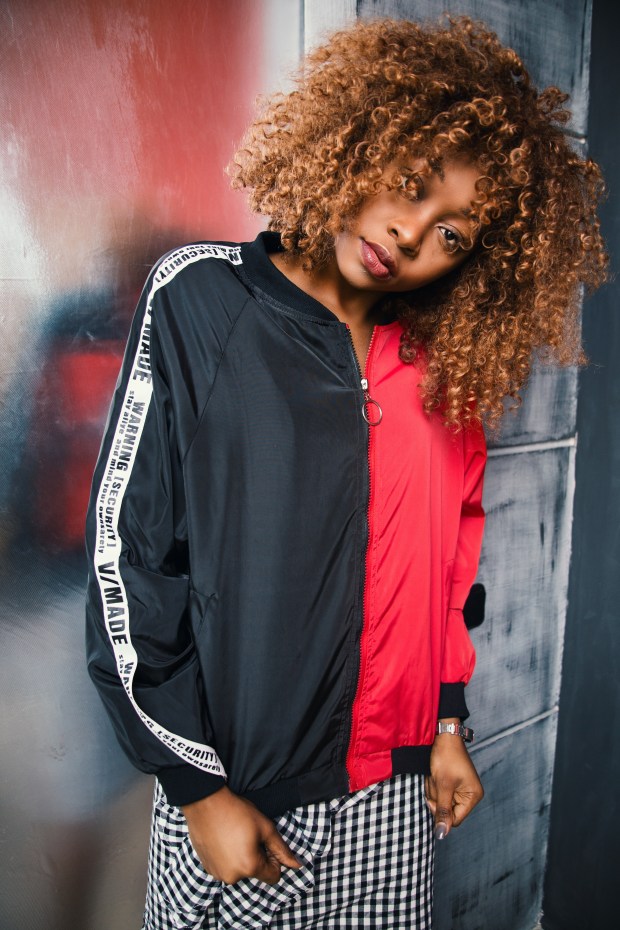

Kurtka damska jesień/zima 2023 – sprawdź najnowsze trendy

W tym sezonie królują oversize’owe kurtki. To rozwiązanie dla kobiet, które cenią sobie wygodę i swobodę ruchów. Oversize’owe kurtki doskonale sprawdzą się na co dzień, a także na bardziej oficjalne okazje, jeśli odpowiednio je zestawimy. W sprzedaży można znaleźć modele z różnych materiałów, takich jak skóra, wełna czy też jeans. W przypadku kurtek jeansowych, warto […]
Read More
Jaka kurtka damska dla figury jabłko?
Kobiety o sylwetce jabłka często zastanawiają się, jakie modele kurtek będą dla nich najbardziej odpowiednie. Niezależnie od sezonu, odpowiednio dobrana kurtka może zatuszować mankamenty sylwetki i podkreślić jej atuty. Istotne jest, aby wybrać model, który nie będzie podkreślał braku talii i jednocześnie nie dodawał zbędnych kilogramów w okolicach brzucha. W tym artykule przedstawimy najkorzystniejsze rozwiązania […]
Read More
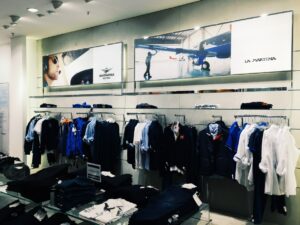
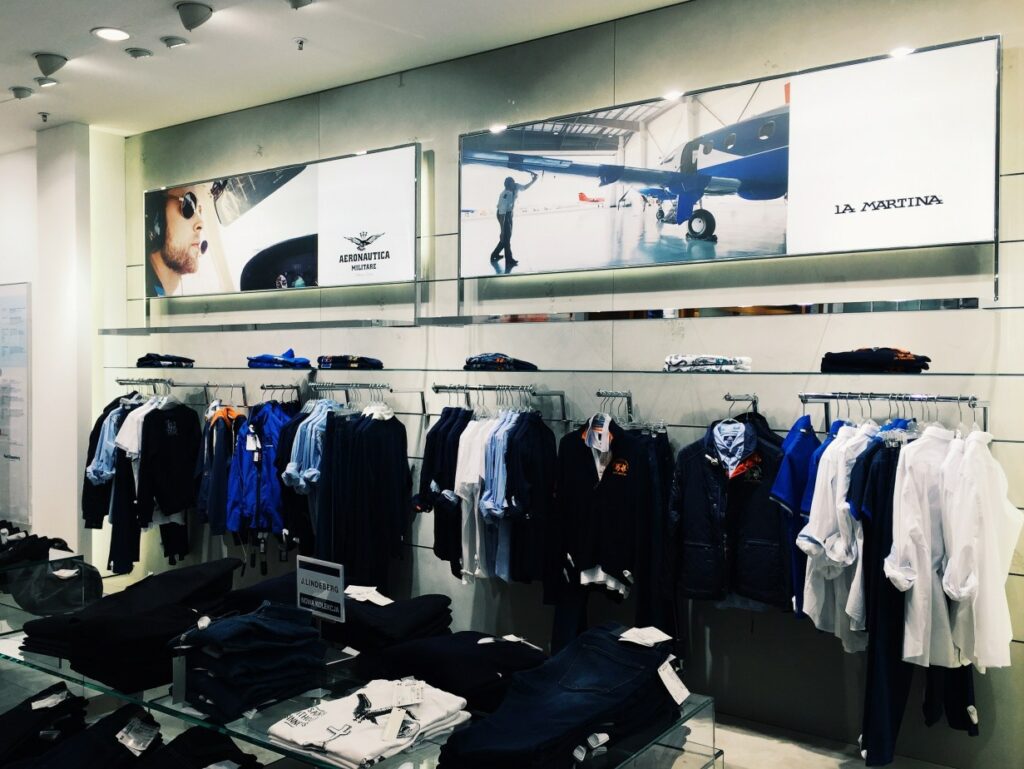
Hurtownia damskich kurtek wysokiej jakości
Jakie kurtki kupować? Każdy, kto jest zainteresowany zakupem hurtowych ilości kurtek zimowych, przejściowych, wiosennych czy jesiennych może bez problemu złożyć zamówienie i po otrzymaniu towarów, zarządzać nimi tak jak chce. Jak wiadomo, ubrania z hurtowni są głównym źródłem towarów dla sprzedawców detalicznych, którzy mają swoje sklepy w galeriach, centrach handlowych, na targach czy wielu innych […]
Read More

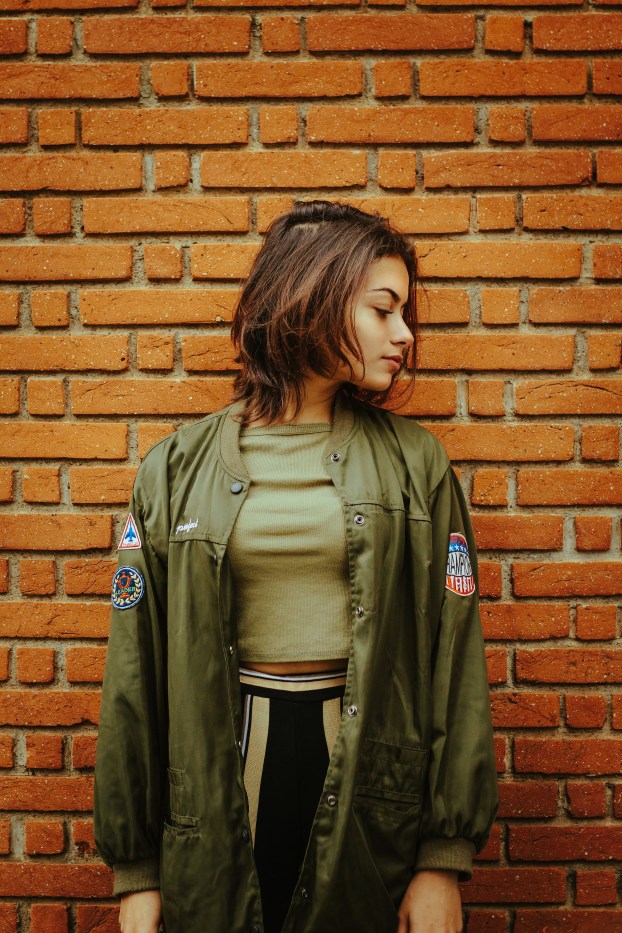
Bomberka khaki — stylizacja i inspiracje. Z czym ją łączyć?
Bomberka khaki to bardzo popularne w ostatnim czasie okrycie wierzchnie. Warto dowiedzieć się, z czym najlepiej łączyć ten element garderoby. Stylizacje z jeansami Wśród najlepszych pomysłów na stylizacje z kurtką bomberką w kolorze khaki można wskazać kompozycję stworzoną z jeansami. W tym przypadku najlepiej sprawdzą się klasyczne jeansy w różnych wariantach. Mogą to być zarówno […]
Read More